Introduction to AI Chatbots
AI chatbots have emerged as a pivotal innovation in the realm of digital communication, providing businesses with efficient ways to engage with their customers. Essentially, these are automated systems that utilize artificial intelligence to simulate human conversation. They are programmed to respond to queries, guide users through processes, and deliver information, thus playing an integral role in enhancing customer service and marketing efforts.
The purpose of AI chatbots extends beyond mere interaction; they are designed to streamline communication, allowing businesses to manage customer inquiries at any time of day efficiently. This 24/7 availability not only boosts customer satisfaction but also helps companies save on operational costs typically associated with live customer support. With the advent of no-code AI tools, businesses of all sizes can develop their chatbot business without requiring extensive technical expertise.
Moreover, the versatility of AI chatbots places them in various settings—from websites and social media platforms to messaging applications. This adaptability means that organizations can cater to their audience’s preferences and interact through channels that users frequent. Their integration into social media is particularly crucial, as it enables businesses to maintain engagement and provide instant responses, effectively addressing customer needs in real time.
As the business landscape evolves, the importance of AI automation becomes increasingly evident. Companies looking to enhance their service levels and optimize operations can greatly benefit from these digital solutions. In the current competitive market, leveraging AI chatbots not only improves customer relationships but also presents an opportunity for businesses to earn from AI by exploring monetization strategies. As such, understanding and implementing these tools is essential for any forward-thinking organization striving to remain relevant.
Getting Started: Essential Tools for Beginners
Creating AI chatbots has become significantly more accessible with the advent of various free tools designed for beginners. Among these, Chatbase, Botpress, and ChatGPT stand out as powerful platforms that cater to different project needs and technical proficiencies.
Chatbase offers a user-friendly interface that simplifies the chatbot creation process. This platform is particularly suited for beginners who may not have extensive technical knowledge. Users can build chatbots using predefined templates and customize them according to their specific needs. One of the key benefits of Chatbase is its analytics feature, which provides insights into user interactions. This allows users to refine their chatbots for better engagement and ultimately helps in enhancing the chatbot business.
Botpress, on the other hand, is a versatile open-source platform that appeals to both beginners and more advanced users. It is equipped with no-code AI tools that allow users to create complex chatbots without diving into programming. Botpress also supports integrations with popular messaging apps, making it easier for users to deploy their chatbots where they are needed most. Its modular design enables users to add functionalities progressively, which is ideal for those aiming to grow their chatbot capabilities over time.
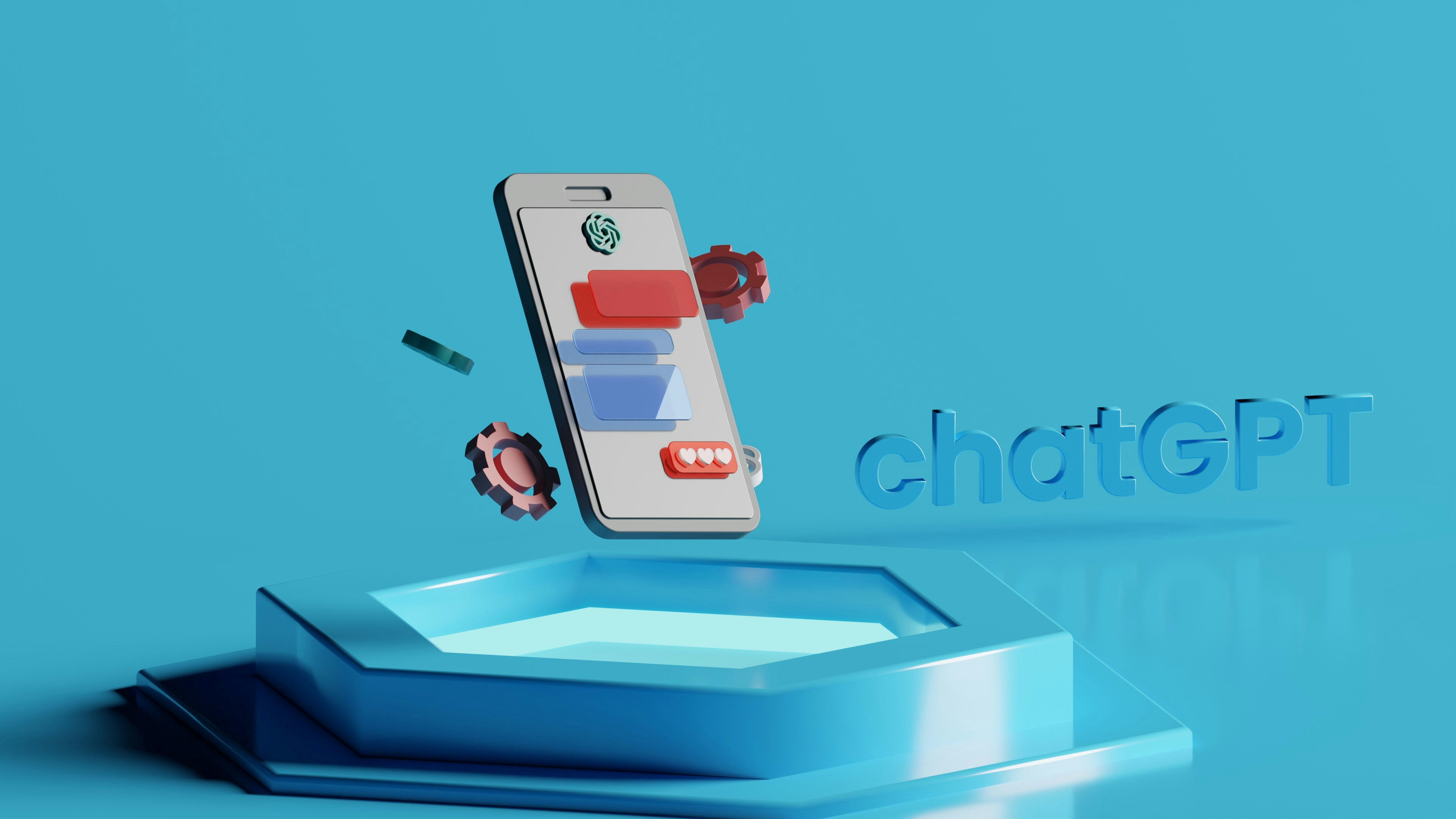
ChatGPT is another excellent tool for beginners looking to leverage AI automation in their chatbot projects. Engineered on advanced natural language processing, ChatGPT excels in understanding and generating human-like responses. Users can interact with the model and customize its behavior to suit their specific applications. As it requires minimal setup, it serves as an excellent starting point for those looking to earn from AI without needing extensive technical background.
In conclusion, by understanding the features and benefits of these free tools, beginners can select the one that best aligns with their skills and project goals. Each platform offers unique advantages, allowing users to launch effective AI chatbots with relative ease.
Step-by-Step Guide to Building Your First Chatbot
Creating your first AI chatbot can seem daunting, but with the help of no-code AI tools, the process can be streamlined and accessible. Here’s a step-by-step tutorial to guide you through building your chatbot effectively.
First, define the objective of your chatbot. Ask yourself what tasks you want your chatbot to accomplish. This could range from answering customer queries to assisting with bookings. Clear objectives will help guide the design of your chatbot and the conversation flows. Once you’ve established these goals, move on to choosing a suitable no-code AI tool. Platforms such as Chatfuel, ManyChat, or Tars provide user-friendly interfaces that allow you to create a chatbot without any coding knowledge.
Next, start designing the conversation flow. This step involves mapping out how the chatbot will interact with users. Think about the questions your users might ask and how your chatbot should respond. Utilize flowchart tools or dedicated design software to visualize the interaction paths. This planning will ensure that users have a seamless experience when engaging with your chatbot.
After designing your conversation flows, it’s time to input your content into the chosen no-code tool. Most of these platforms have intuitive drag-and-drop features that let you easily insert predefined responses, images, and buttons. As you create, keep in mind the importance of natural language; the more relatable the chatbot sounds, the more engaged users will be.
Once your chatbot is ready, it’s essential to integrate it into different platforms. The most common options include websites, Facebook Messenger, or Slack. Follow the specific integration guidelines provided by your chosen tool to ensure a smooth deployment. Your chatbot should now be operational and ready to interact with users.
As you gain experience, you can explore ways to earn from AI by optimizing your chatbot’s performance and expanding its functionalities. With continued learning, AI automation will enable your chatbot to evolve and meet increasing user expectations.
Enhancing Your Chatbot with Advanced Features
As businesses increasingly embrace ai chatbots for communication and customer service, integrating advanced functionalities becomes essential. Such enhancements not only improve user experience but also foster engagement and satisfaction. Key features include natural language processing (NLP), personalized responses, user analytics, and multi-channel support.
NLP allows chatbots to understand and interpret user queries more effectively. By employing no-code ai tools that provide pre-built NLP capabilities, beginners can enable their chatbots to grasp the nuances of human language. This can greatly enhance interaction quality, making the chatbot feel more intuitive. User satisfaction often hinges on how seamlessly a chatbot can comprehend and respond to queries, thus establishing a more human-like interaction.
Personalized responses are another powerful feature that can set a chatbot business apart from the competition. By leveraging user data, chatbots can provide tailored replies based on previous interactions or user preferences. Many free tools offer templates that allow users to define personalized pathways, letting beginners implement basic personalization without extensive coding knowledge.
User analytics are vital for improving chatbot performance over time. By tracking user interactions, businesses can identify bottlenecks and areas where the chatbot may be falling short. Advanced platforms often come equipped with analytics dashboards, providing insights directly to developers through user engagement metrics. This use of ai automation helps refine chatbot functionalities to better serve customer needs.
Lastly, multi-channel support ensures that chatbots can interface across various platforms, such as social media, websites, and mobile applications. Many no-code ai tools offer streamlined integrations with popular communication channels, enabling companies to reach users where they are most active. By implementing these advanced features, beginners can significantly enhance their chatbot business, cultivating a more efficient and user-friendly experience.
Testing and Optimizing Your Chatbot
Before launching your AI chatbot to the public, thorough testing and optimization are imperative to ensure a seamless user experience and effective performance. An inadequately tested chatbot may lead to frustration for users, diminishing the potential success of your chatbot business. By implementing a robust testing strategy, you can identify and rectify issues that may affect the overall functionality and user satisfaction.
One effective method for testing your AI chatbot is to conduct user testing sessions. Invite a group of users to interact with your chatbot, observing their behavior and gathering direct feedback. This hands-on approach allows you to discover potential misunderstandings, unclear responses, or technical glitches that may not be apparent during development. Pay particular attention to how users navigate through conversations, their success in completing tasks, and any points of confusion they encounter.
Additionally, utilizing analytics is a critical aspect of optimizing your chatbot. Most no-code AI tools provide built-in analytics features that track user interactions, response times, and engagement metrics. By analyzing this data, you can make informed decisions regarding necessary adjustments. For example, if analytics reveal that users frequently abandon conversations at a certain point, it may indicate a need to revise those particular dialogue flows or enhance the clarity of responses.
Gathering continuous feedback from users post-launch is also vital. Implement mechanisms for users to provide their insights, whether through surveys or feedback buttons within the chatbot interface. Institutionalizing feedback allows you to adapt your AI automation strategies and refine the chatbot’s capabilities based on real user experiences.
In conclusion, diligent testing and optimization of your AI chatbots are essential to achieving a successful launch. Implementing user testing, utilizing analytics effectively, and actively seeking feedback will ensure that your chatbot performs at its best, ultimately helping you earn from AI through improved user satisfaction and engagement.
Monetizing Your Chatbot: Selling to Businesses
As businesses increasingly integrate technology into their operations, the demand for efficient customer interactions has grown. This presents a promising opportunity for aspiring developers: monetizing ai chatbots. To successfully sell chatbot solutions, one must first identify potential clients across varying industries. Target businesses that regularly engage with customers, such as retail, hospitality, and service providers. Research their current systems to find gaps where a chatbot could enhance efficiency, improve customer relations, or offer 24/7 support.
Once potential clients are identified, it is essential to effectively demonstrate the value of ai automation. Present case studies from similar businesses that illustrate how implementing chatbots has improved customer satisfaction or streamlined operations. Utilize no-code ai tools that make chatbot deployment accessible and straightforward, showcasing the ease of integration into the client’s existing infrastructure. Developing a prototype based on the business’s specific needs can provide a concrete example of the potential benefits, creating a compelling argument for investment.
In pitching your chatbot solutions, emphasize customization to meet the unique demands of the client’s business. Highlighting features that cater to their specific market enables you to position your chatbot as a tailored solution. When discussing pricing models, options can include one-time fees for development, recurring monthly subscriptions, or performance-based pricing structures. Contracts should detail the chatbot’s capabilities and maintenance provisions, ensuring both parties have clear expectations.
Building long-term client relationships is paramount in the chatbot business. After initial deployment, offer ongoing support and updates to keep the chatbot functioning effectively. Regular check-ins can help identify any further enhancements or adjustments required, ensuring your clients feel valued and satisfied. By fostering strong partnerships, you can effectively earn from ai through continued business and referrals.
Affiliate Marketing Opportunities with Chatbots
With the rise of AI chatbots, businesses have discovered innovative ways to engage consumers, particularly in the realm of affiliate marketing. These intelligent conversational agents allow for seamless integration of affiliate links into dialogues, enabling brands to effectively promote products while maintaining a user-friendly experience. Chatbots not only enhance user interaction but also provide valuable opportunities for businesses to earn from AI through strategic marketing initiatives.
One of the primary methods of leveraging chatbots for affiliate marketing is by incorporating affiliate links within their messaging. By presenting these links in a conversational manner, businesses can guide users towards specific product recommendations without coming off as overly promotional. This approach allows for a more personalized experience, where users can ask questions and receive tailored advice, ultimately leading to increased click-through rates on affiliate offers. Moreover, chatbots can be programmed to emphasize the benefits of products while simultaneously sharing relevant affiliate links.
In addition to promoting products, chatbots play a crucial role in nurturing leads. By engaging users in meaningful dialogue, chatbots can collect information about their preferences and behaviors, which can be invaluable for designing more effective marketing strategies. Utilizing AI automation, businesses can analyze conversations to identify trends and improve their affiliate marketing efforts, ensuring that the messages are relevant to each individual customer. This needs-based marketing approach helps to build trust and anticipation, rather than creating an intrusive sales environment.
Chatbots can also facilitate conversions by guiding users through the purchasing process. Functioning as virtual assistants, they can answer queries about products, offer comparisons, and prompt users with reminders, all while incorporating affiliate links throughout the journey. Ultimately, by effectively utilizing no-code AI tools to create engaging and informative chatbots, businesses can harness the power of conversational marketing to drive sales while maximizing their affiliate marketing potential.
Case Studies: Successful Chatbot Implementations
The implementation of AI chatbots has revolutionized customer engagement across various industries, showcasing the remarkable capabilities of these no-code AI tools. For instance, e-commerce platforms have experienced tremendous growth by integrating AI chatbots, streamlining customer service, and enhancing user experience. One successful case study involves a leading online retailer that deployed a chatbot to assist customers with product inquiries, order tracking, and returns. The results were striking: customer satisfaction scores rose by over 30%, and the operational costs were reduced significantly, highlighting the efficiency of employing ai automation.
In the travel sector, a well-known airline embraced AI chatbots to manage booking inquiries and provide real-time flight information. The implementation led to the automation of over 70% of routine queries, which allowed human agents to focus on more complex issues. This strategic move not only improved response times but also bolstered the business’s ability to engage with customers effectively during peak travel seasons. The airline reported a 20% increase in revenue during peak periods, underscoring the potential of chatbot business models in generating additional income streams.
Healthcare providers have also harnessed the power of AI chatbots to enhance patient engagement. A notable example is a telehealth service that integrated a chatbot to triage patient symptoms and provide health information. This implementation reduced wait times and improved access to healthcare services, demonstrating that ai chatbots can significantly benefit both patients and healthcare providers. By collecting and analyzing user data, these chatbots can generate insights that further enhance service provision, illustrating an innovative way to earn from AI in the healthcare sector.
These case studies offer practical insights into how industries can leverage AI chatbots to improve service efficiencies, drive customer engagement, and ultimately enhance revenue generation. They serve as a source of inspiration for beginners eager to replicate the successes observed in these diverse fields.
Conclusion and Next Steps
As we have explored throughout this guide, creating AI chatbots is an achievable endeavor for beginners, particularly with the array of free tools and no-code AI options available today. The landscape of AI automation is rapidly evolving, providing ample opportunities for individuals and businesses to engage with their audience effectively through automated interactions. With the right tools, you can easily build an engaging chatbot business that not only serves customers but also presents avenues to earn from AI.
Key takeaways from our discussion include the importance of understanding your target audience and defining the purpose of your chatbot. This foundation will guide your development process and the features you prioritize. We also emphasized the ease of using no-code AI tools, which allow you to create sophisticated chatbots without extensive programming knowledge. Understanding the potential monetization strategies will enable you to leverage your chatbot projects to generate revenue, whether through direct sales, lead generation, or enhanced customer service capabilities.
To further enhance your skills in crafting effective AI chatbots, consider joining online communities or forums where you can exchange ideas and seek advice from experienced developers. Platforms like Reddit, Discord, and specialized Facebook groups can provide valuable insights and support. Additionally, online courses and tutorials on platforms such as Coursera and Udemy can help you deepen your understanding of AI automation principles and chatbot design. Engaging with these resources will not only elevate your skills but also keep you updated on industry trends and best practices.
Embarking on your AI chatbot journey opens the door to limitless possibilities. With dedication and continuous learning, you can refine your skills and expand your projects into successful ventures. We encourage you to take the first step today and explore the world of AI chatbots!